
And so, 2023 is over. Another year of awesome game-dev. Here is the story.
This was the year of Emerald Woods, which grew to rival NovaMundi as the “main” project on Slashware.
NovaMundi got some work done, but is still at the gates of leaving Early Access. There was a promising process with a Polish publisher which got to a pretty advanced stage by end of 2022; that made me think we could make a big boost to develop the last part, and have a marketing boot to reach more people with it. Alas, after months of silence nothing came out of it, so we are back to self-publishing.
I participated in 5 game jams (Global Game Jam, 7DRL Challenge, IndieCade Hidden Heroes, js13kgames, and GameJam+/CTPH) and visited two events (SOFA and Colombia 4.0). This year I didn’t travel abroad for events, but gave a lot of talks.
Slashware Interactive continued operations, focusing on our main client (Zynga), but also strengthening relationships with local developers to create promising things in the future. The two cool “secret” projects started for clients in 2022 stalled and went nowhere, for now.
See also rewinds for 2014, 2015, 2016, 2017, 2018, 2019, 2020, 2021, and 2022
January
The year started tying up with the work done in December 2022 on Emerald Woods, with the release of the graphics revamp.
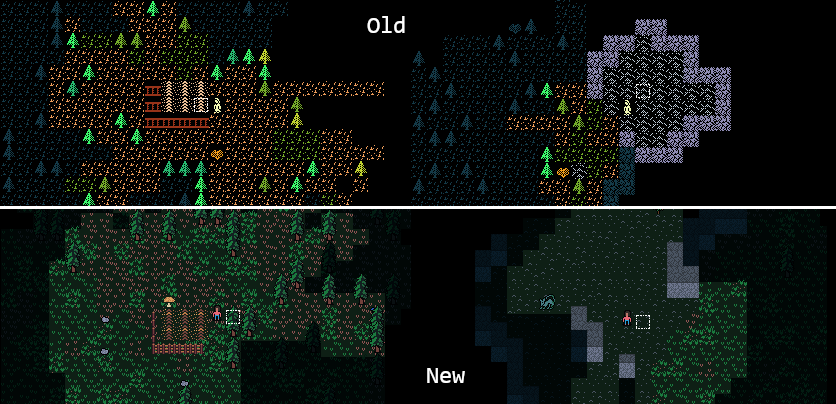
Some other aspects worked included Farming, Cooking, Achievements, Modding, plot design. There was a lot work on the design side of things, some of which hasn’t been implemented yet.
The game was further spiced up to make survival an important aspect of it while keeping it relaxed; it’s been tricky but the idea is that once you get the hang of it you will be fine, as long as you don’t get too comfy.

January also saw the start of the migration to TypeScript which proved to be a great idea along the year.
We continued the work we had been doing with Indie Level Studio on “Serenade of Chaos”, a game which I haven’t talked a lot about but imagine gothic NovaMundi with vampires and demons in cursed woods. January we worked mostly in characters and monsters.

February
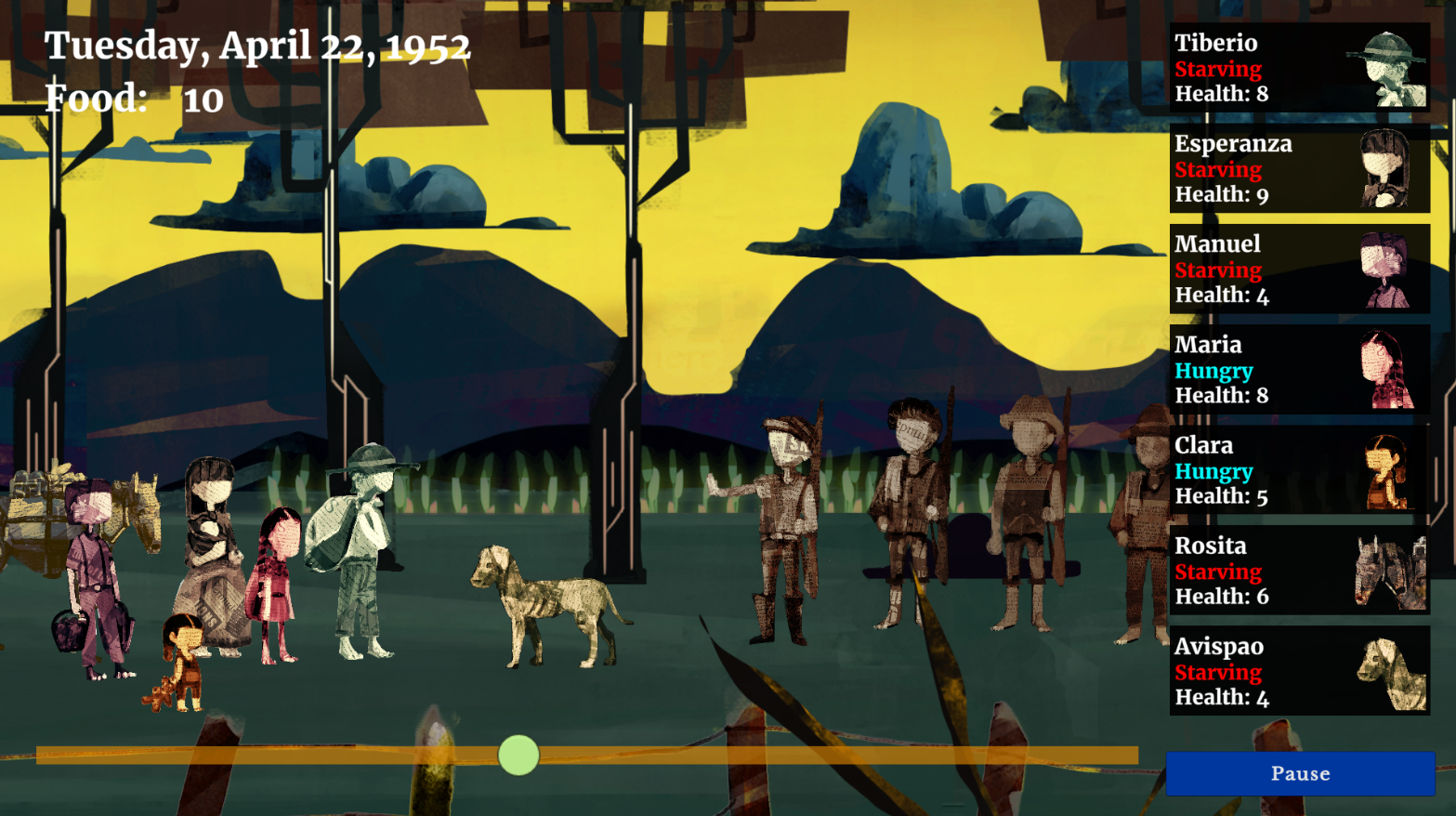
I participated with some friends in the Global Game Jam, creating a game inspired by The Oregon Trail, but themed in the times of “La Violencia” in rural Colombia, inspired by stories from uncles and grandparents. Name was “Farewell San Vicente“, it was pretty cool although we missed someone to work in the UI.
Emerald Woods development continued with changes such as the “expanded line of sight” to cover all the viewport, making it look much more modern (even if inaccurate from a gameplay point of view, because of modern wide screens), atmosphere colors, as well as the usual continued improvements on crafting, usability and gameplay.

NovaMundi saw a long overdue update. It had been six months since the lat release, and almost one year since we designed a bunch of side quests to spice up the player experience within the game, so I decided it was about time to implement them. I also integrated the audio migration to wwise along with all the work in environmental sound improvements, and released the work we had done for the caverns (albeit still incomplete) as well as some fixes in procedural terrain generation.

Work on Serenade of Chaos continued with Indie Level Studio, we managed to create a semi-playable build of overworld exploration and zoomed-locations exploration. The art team of ILS has done an excellent job so far with this project, and I look forward to resuming work on it.

Finally, JSRL was migrated to TypeScript.
March
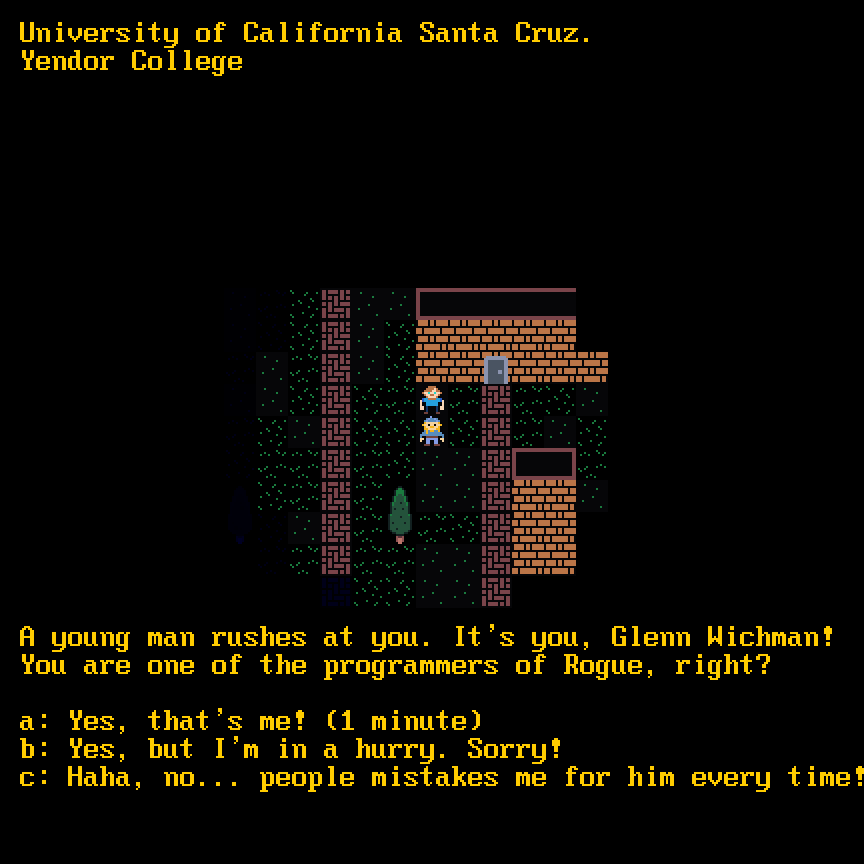
I participated in the “Hidden Heroes” jam organized by IndieCade, creating “Broken Connections“, a game about Glenn Wichman’s quest to save the source code of Rogue, the original roguelike. It was fun to create, got some help from Glenn himself (and Michael Toy) to make it feel cool.
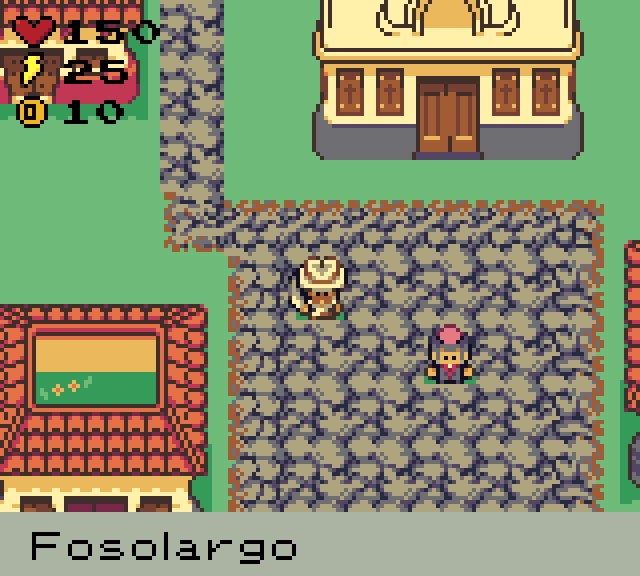
As every year since 2005, I participated in the 7DRL Challenge. This year I created “Monte del Diablo”, a traditional roguelike with Gameboy Color visuals inspired by local tales. I worked with QuietGecko as usual, but also two artists (InkiLuanna and AguaHervida) with whom I would do further work.
NovaMundi saw a combat update addressing balancing issues and adding back Pause (which had been removed as an experiment), as well as additional sidequests implemented. Farewell San Vicente was translated to Spanish too.
April
Farewell San Vicente was translated to Turkish (and German, still not released), and had some balancing changes.
NovaMundi work continued with adding and improving sidequests, and integrating these more tightly into the procedural generation and the world itself. We also improved caverns explorations with a mini-map but still didn’t exploit that work extensively.
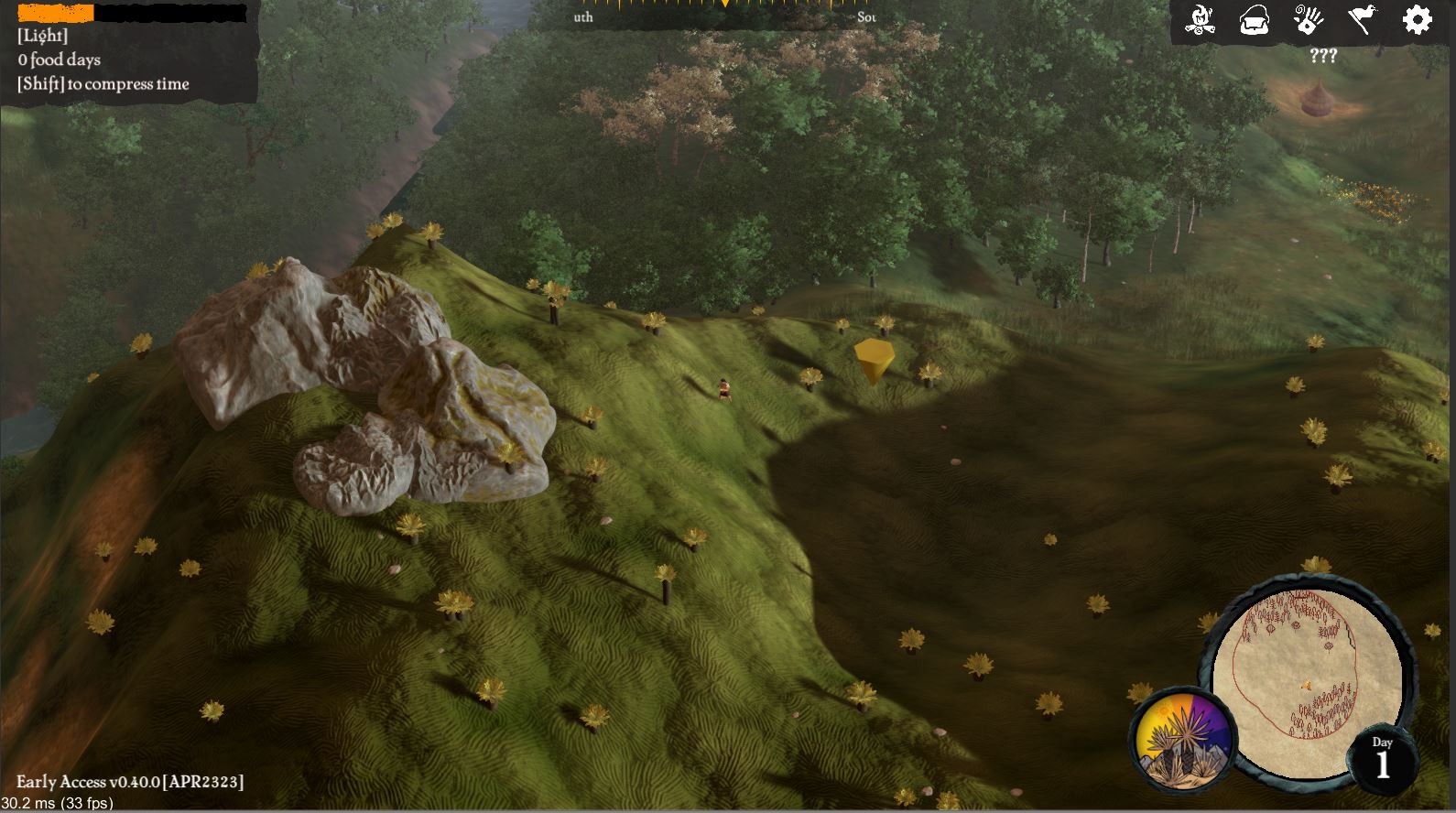
Work in Emerald Woods included improvements in the animals spawning and population, as well as being able to capture them.
May
Added dynamically generated map items to Emerald Woods for fragments of the world, and removed the traditional roguelike “message box” to make the UI more modern, continued work on improving the game world locations to make them more interesting (and thus making exploration more worth-while)
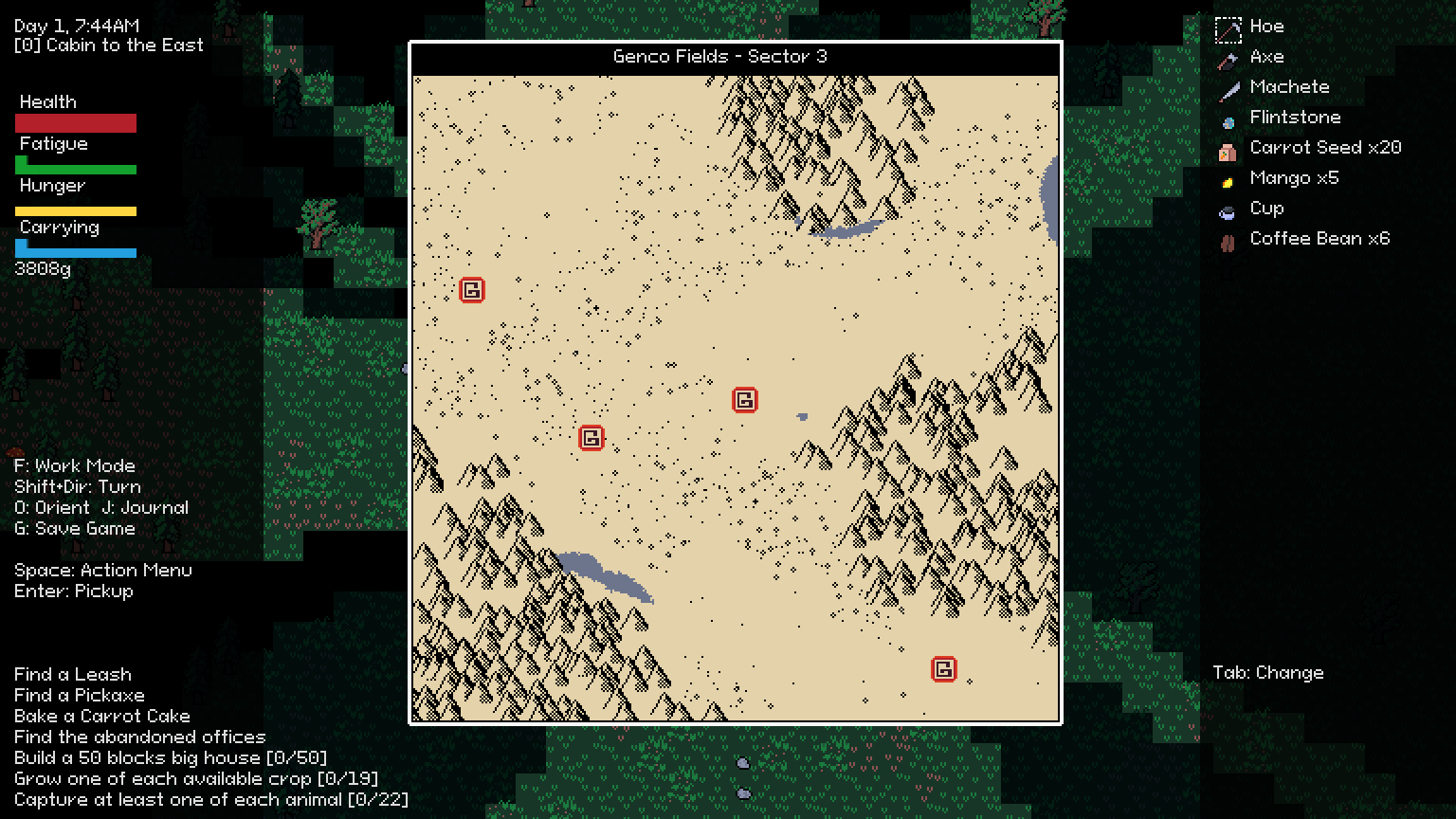
ZeldaRL saw a new version with heavy visuals and gameplay improvements and fixes, making it a much more enjoyable (and completable!) game. Combat was improved, there are now weapons, armor, and shields to be found in the dungeons, making them more interesting and improving the roguelike experience. The shields now actually work, and the infinite enemy spawn bug that made the game impossible in the endgame was fixes.

I also fixed roguebasin’s https and email setup, and recovered one of my first gamedev things, a scenario I created for Age of Empires II
May we also worked in a semi-secret project to revive DrashRL into an improved game with a completely new theme, “The Abyss of Bringila”. We worked a lot on its narrative and even did some important visual and UX improvements, development is currently frozen.

June
A month of heavy work in Emerald Woods focused on improving crafting, cooking and building, streamlining the UI and adding a new onboarding. A lot of “lore” content was added as well in the shape of letters, memos and videotapes you can find around. Light sources were also added.

Some efforts were done with Indie Level Studio with “Racing King”, in efforts to monetize FormulaProc for the gambling industry, this led to some improvements in the FormulaProc engine to make it easier to configure the track and the simulation in general. This still didn’t manage to see the light of the day.

Also did some prototyping with Simernio, the artist who did a lot of work in NovaMundi and FormulaProc while he was at Slashware, we toyed around with the idea of a retro-racing roguelike (also nothing to show yet)

July

Added rivers to Emerald Woods, as well as “diving” into lakes and deep rivers which included generating the underwater world. This required heavy changes internally to support layered terrain, but it definitively gives a new level of depth to the game.
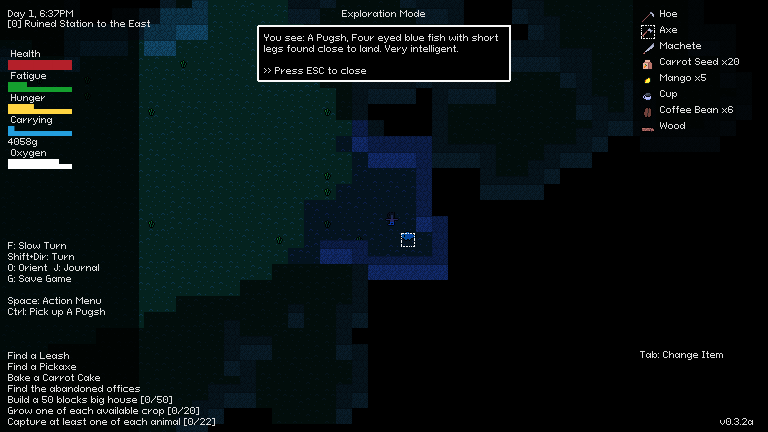
Light sources were improved to use raycasting, Also improved control of the procedural terrain generation to create “logical” areas that can be populated less randomly.
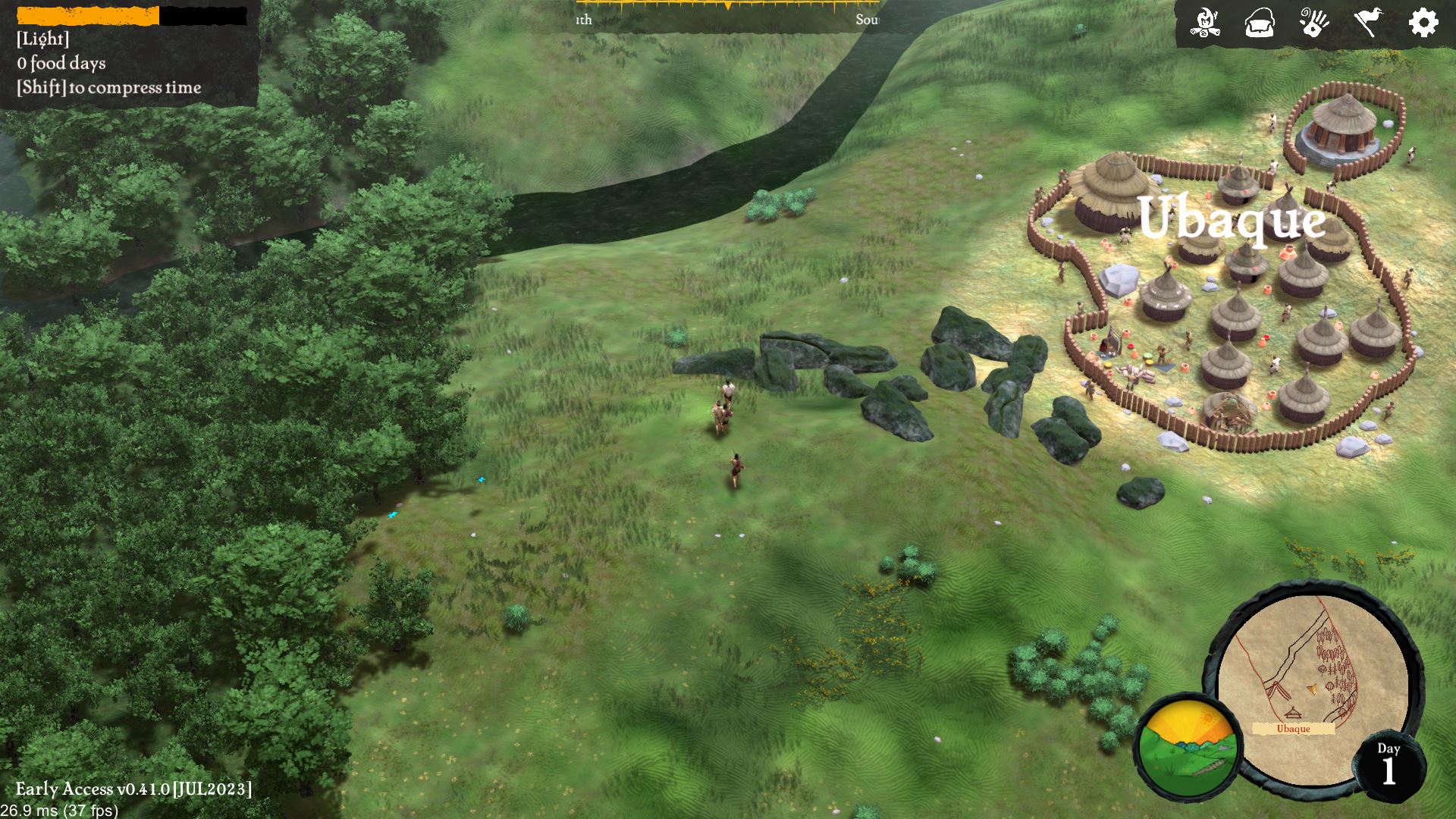
NovaMundi got some love with the towns being expanded, filled with life and given each one a unique identity. You will find different craftsmen working on them, merchants populating the markets, and guards defending the fenced areas. This was a long time coming and I’m happy we were finally able to include it.
August
With this year’s js13k impending, I decided to work a little bit on my entry for 2019, Backpack Monsters, basically wondering what would have been of it if I had had the chance to not rush it thru the deadline. I added a visual map of the game world, improved its procedural generation, added size variations for monsters, and berries you can get in towns so that capturing monsters is at least a bit involved. It’s much more enjoyable albeit still probably not enough for mass consumption.

I also managed to recover the source code of Guardian Angel, my original roguelike from 2003. It’s useless but it’s interesting to see the concepts that were there and have survived one way or another for 20 years.
Flashlight Defense, the game we created with our friends from Bombillo Amarillo in 2022, was finally released to the public. It’s an arcade game where you have to survive hordes of enemies throwing things at them and using your special powers.

And so it was time for another js13k; I toyed around with some ideas, thinking on making something arcadey with sailing ships combat, but ultimately decided to abandon the idea and even considering not participating this year.
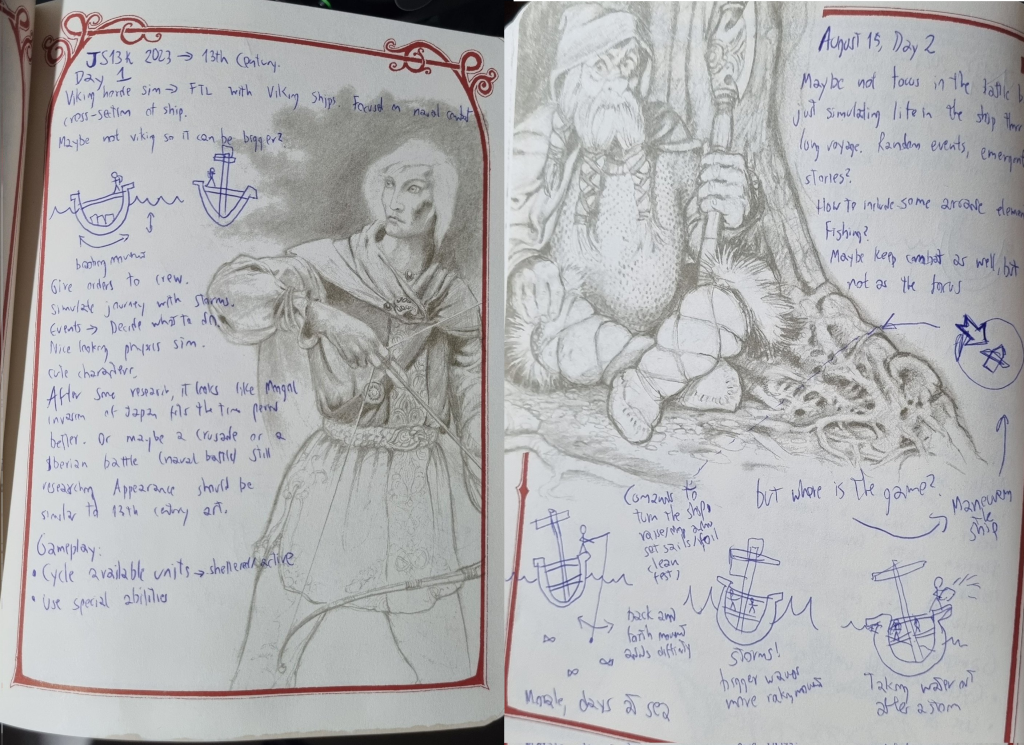
I flew to Rio de Janeiro in Brazil with my brother, my only international trip of the year. It was fun.
September
In the end, I couldn’t help it and ended up participating in the js13k anyways; I discarded all the previous ideas and asked stoltverd to come up with interesting stuff. Ended up creating an arcade game inspired by “snake” but incorporating elements from history and its own gameplay tweaks. It’s called “The First Horde”, and it even ended up with some traditional audio love by QuietGecko.

In the end it ranked well, feedback from players was mostly what I predicted, but we were given a big hit because of the very simplistic visuals and UI.
Two versions of Emerald Woods were released, the first one marked the entrance to the project of pixel artist aguaHervida (with whom I had previously worked in Monte del Diablo 7DRL), who redid the sprites for all the game creatures. The other version streamlined the building interface, improved item transferring to containers, and added a film projector so you could access the info in the tapes scattered around.

I also had two interviews for local media (in Spanish): One for TeleAntioquia were we had a chance to talk a lot about NovaMundi and Emerald Woods, and another one for Frecuencia Gamer which was mostly focused on Emerald Woods.
October
It took a long time but finally released a version of NovaMundi focused on improving the combat system to make it more interesting; stoltverd had been working on its design for a while, but this was the first time we put it on the wild. You can now equip weapon, armor and accessories to your units, and these items come with quality, special and “magical” modifiers, as well as a damage and defense type associated with each; combat is now much more involved.

Talked with old pal Jucarave about a project to revive our old game, Stygian Abyss (the 3D roguelike), and create something new and cool about it. Stoltverd worked on the narrative and design improvements, while Juka worked on some critical improvements including adding an automap (the lack of it being the main source of failure of the original). Another thing to keep an eye on for 2024!

Ananias got a maintenance release after 6 years on Steam! weapon degradation can now be disabled, alchemy and magic scrolls are now backfire-safe and hence much more useful, and some UI improvements were made specially to make it clear when attacks were effective based on weapon and armor types. The game was featured in the Roguelike Celebration Celebration 2023 on Steam.

We visited Bogotá for the SOFA 2023 as part of the expo organized by Tan Grande y Jugando within it: Beta Fest 2023. We joined about 20 more indie creators from Colombia showing up their work, and got to show Emerald Woods and NovaMundi to a lot of nerds walking around. I also got to talk in the stage about NovaMundi and was interviewed for Canal 13 about game development.

We also created the first version of Bottlecap legends, our entry for GameJam+. It’s an arcade turn-based racing game, inspired by traditional street games. I really liked how it turned out! you can play online here.
November
Emerald Woods was improved with much longer “melodies” that play while you are exploring, and a mobile UI that required changing how many things worked internally to allow for responsiveness and flexibility.

An additional version was released with a bunch of new craftable content to personalize your home, and more ways to interact with items in the map (pulling and rotating them. It also included the ability to dig channels.

The UI for transferring items between containers continued being improved, and I also added the first underground location, “The Shaft”, mainly as a tech test.
I ran the Brazil FormulaProc GP, with a minor but important change to add some variance to the stats of the drivers every race, to make it less predictable. No-one still cares about FormulaProc.
Cesar Gutierrez, who joined the jam team for Bottlecap Legends, was commissioned to create the new cover art of NovaMundi, it wound up great. The idea is to draw more people into the game selling it as something cooler.

We created an improved version of “Bottlecap legends” in the context of the “Creando Tu Propia Historia” jam; we retained the original design with just some visual and gameplay fixes, but centered mostly on improving the UI/UX and onboarding.
I also gave a bunch of talks and interviews in November; first one was an invitation by Universidad Santo Tomas of Tunja to talk about the development of NovaMundi, and gamedev in Colombia in general. Then I gave a talk about Cultural Heritage in videogames development, as part of the virtual mentoring for “Creando Tu Propia Historia” jam.
I was also invited by Holcim ABS to their “Innovation Week” event where I talked about elements of indie game development that could be useful in the context of the operation of services company to improve their processes.
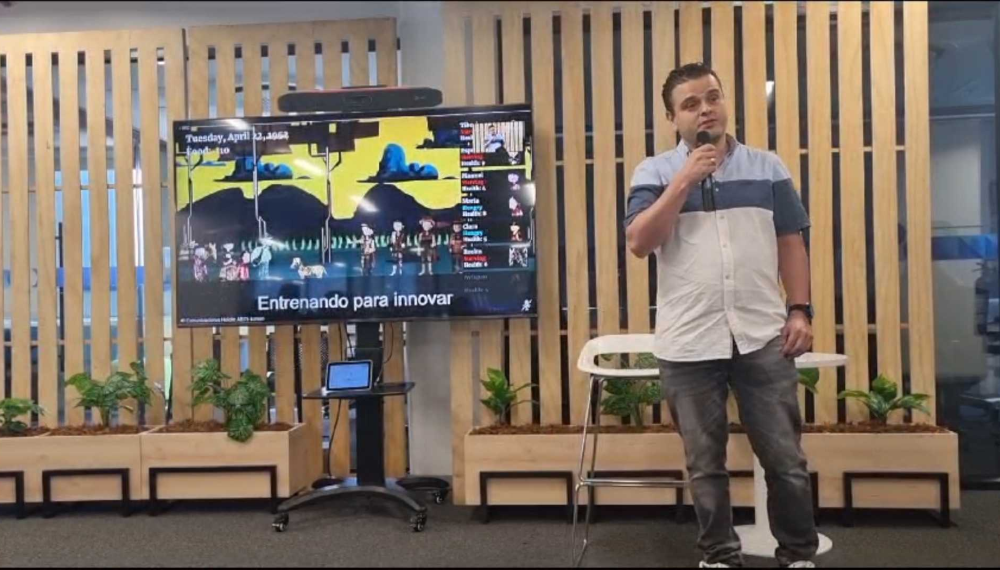
Finally I visited Bogota for Colombia 4.0, the biggest tech conference in Colombia, where I talked about my journey with indiedev alongside Mauricio Betancourt from Indie Level Studio. There I was also interviewed again for “Congreso y Sociedad”, a TV program broadcast nationally via “Canal Congreso” (the channel of the Colombian congress); there I talked about the role of AI in videogames development and how kids and young people could get involved into the industry.
There I also met with the creators of a popular entertainment IP in Colombia, there’s a very real possibility to create a game for their characters on 2024. We have actually been talking about this since 2022… so hopefully this will be the year!
December
Although we had been working for a bit internally on improving the animations of NovaMundi and filling the gaps we have there; we were still unable to put them out to the public. However we released a version with UI and balancing improvements.
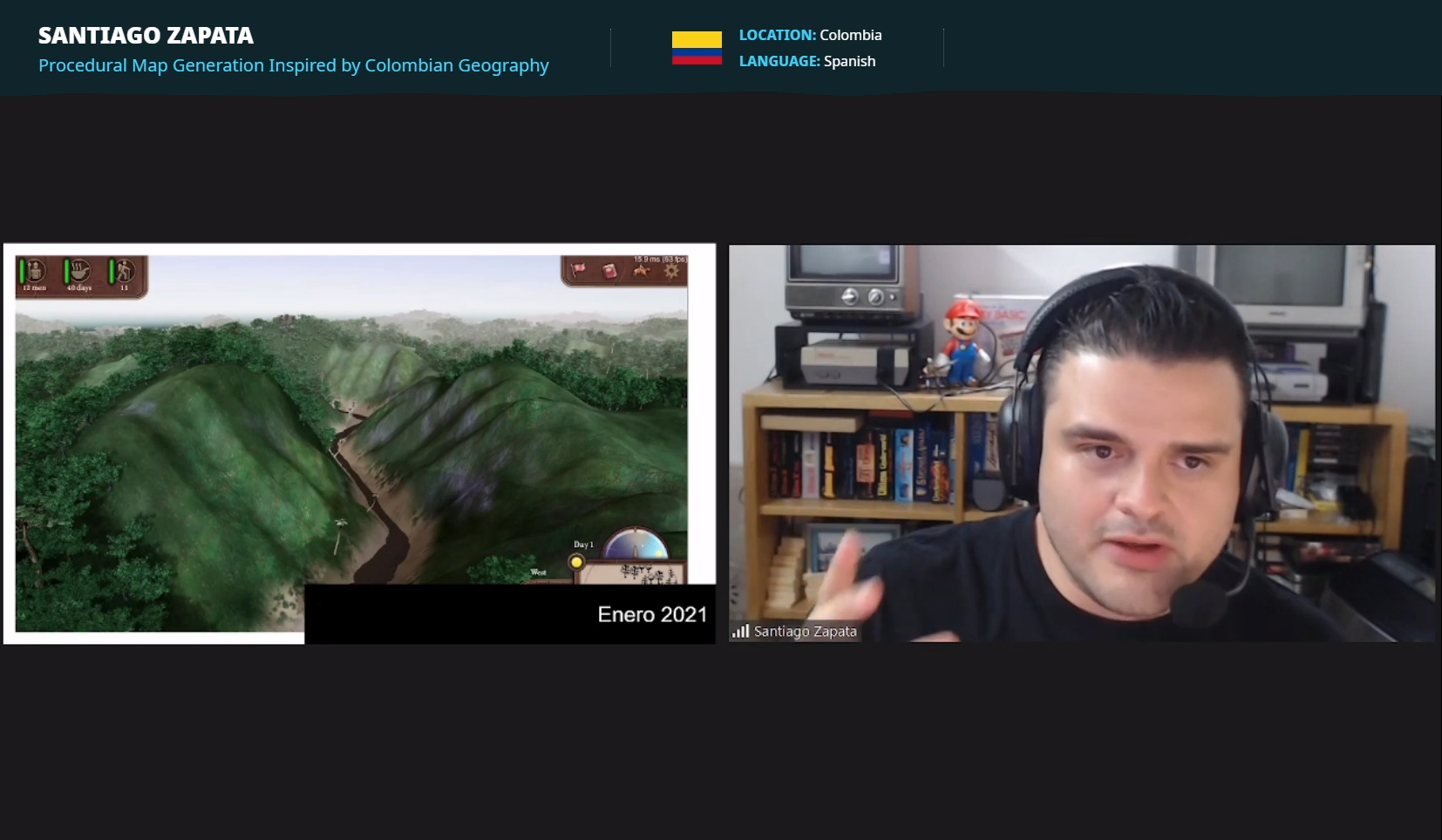
I spoke at gamedev.world, an online conference organized by Rami Ismail which is live-translated in parallel to 8 languages (!). I invested some time to prepare this talk and write a script for it, since time was limited and I wanted to share as much as I could about the procedural generators at work in NovaMundi. I packed a lot of content so I think it was a bit hard for the translators to follow.
Finally, closed the year with a big push for Emerald Woods, completing v0.4 in the roadmap with the addition of Winter, the cold caves sub-sector, and a slew of audio improvements by QuietGecko. Naiyenzo also create a new art for the winter version of the Algiz, with more to come.
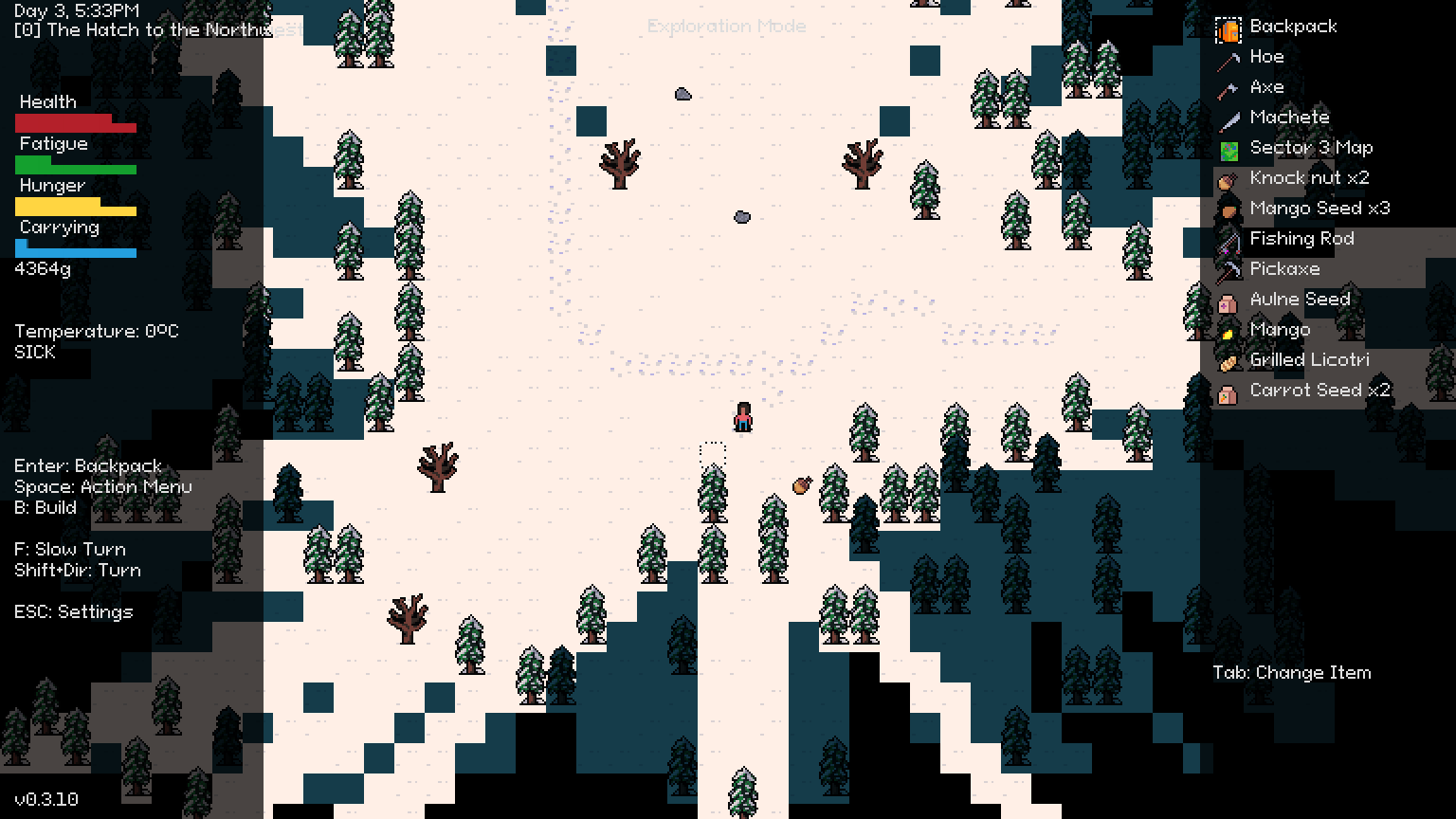
And that’s it for 2023! what will happen next year?
There are a couple of super cool indie collabs in the horizon, I hope they actually happen this year!
 Slashie's Gamedev Adventures
1 Comment